Blog
Balancing Cost Transparency and Contractor Qualifications in Collaborative Delivery
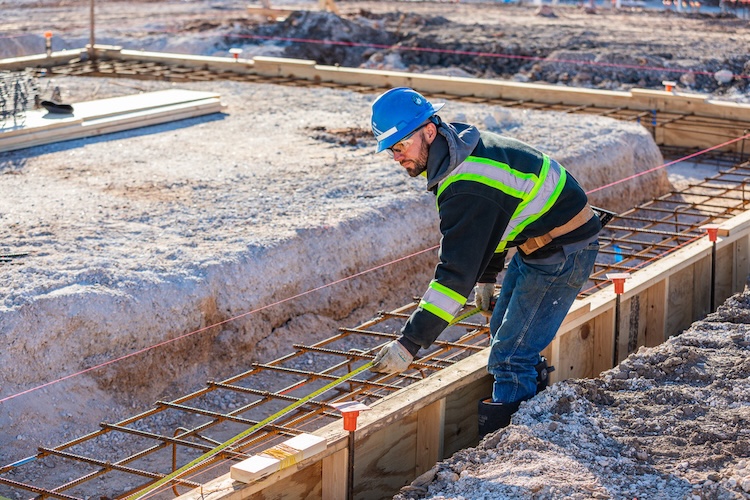
Successfully executing collaborative delivery requires balancing cost transparency with contractor qualifications—two factors that shift in priority as a project progresses.
Beyond the Bid: Creating Effective Infrastructure Projects for the Water Sector
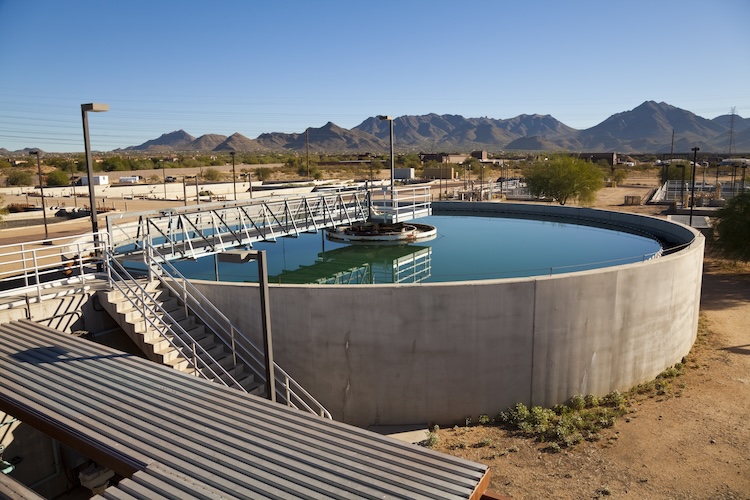
Across the water sector, owners are under growing pressure to rehabilitate aging infrastructure, maximize limited funding, and deliver reliable improvements that will serve their communities for decades to come.
Why Aren’t All Construction Projects Successful? How We Built a Blueprint for a Winning Team
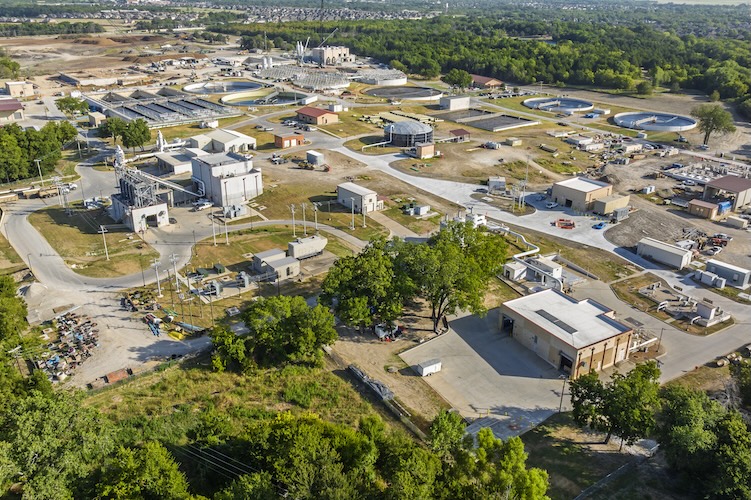
Across the country, municipality owners face a relentless challenge: delivering critical infrastructure quickly enough to outpace rising demand. Too often, expansion programs are a veritable whack-a-mole of challenges emerging faster than they can be resolved. The NTMWD’s service area is no exception, but it has found the right team to wield the mallet.
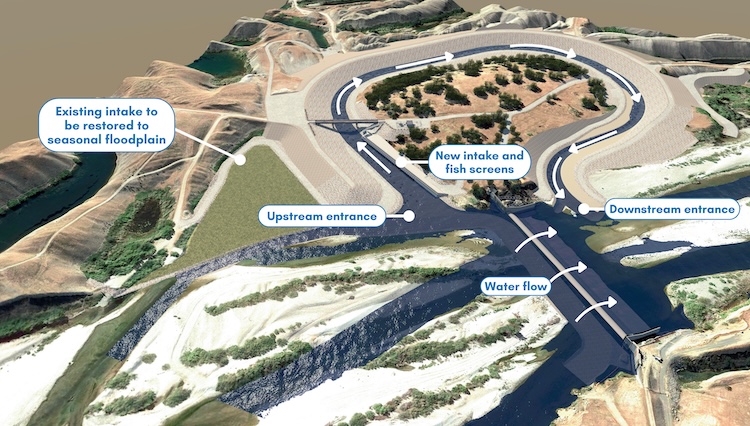
Construction Management at-Risk: Built for the Budget You didn’t Plan For
On February 13, 2026, a 14-foot-diameter penstock above Yuba Water Agency’s New Colgate Powerhouse ruptured without warning. Hundreds of acre-feet of water tore down the hillside and into the North Yuba River, and the powerhouse went offline.
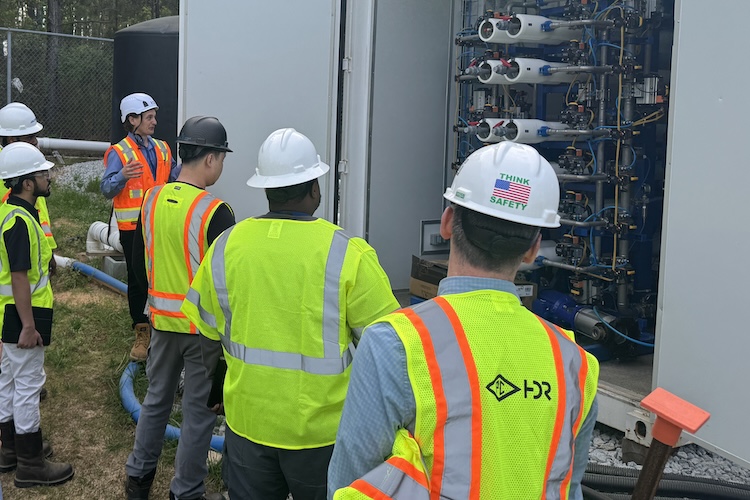
Beating the Clock on PFAS Compliance Through Collaborative Delivery
Complex construction projects demand more than a traditional design-bid-build approach. When the stakes are high and the variables are many, early collaboration between the owner, engineer, and contractor is not just beneficial, it is essential.
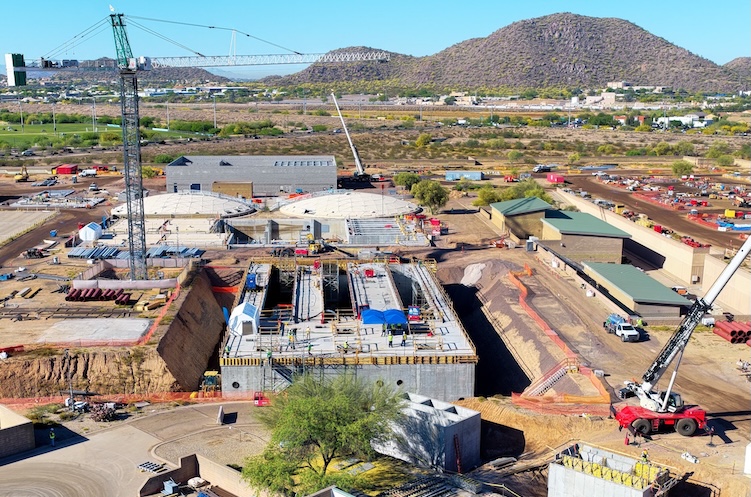
Relationships: The Real Differentiator in CMAR Construction
CMAR has become a preferred delivery method for water and wastewater projects because it brings owners, engineers, and contractors together early to solve problems before construction begins. The benefits are well documented.
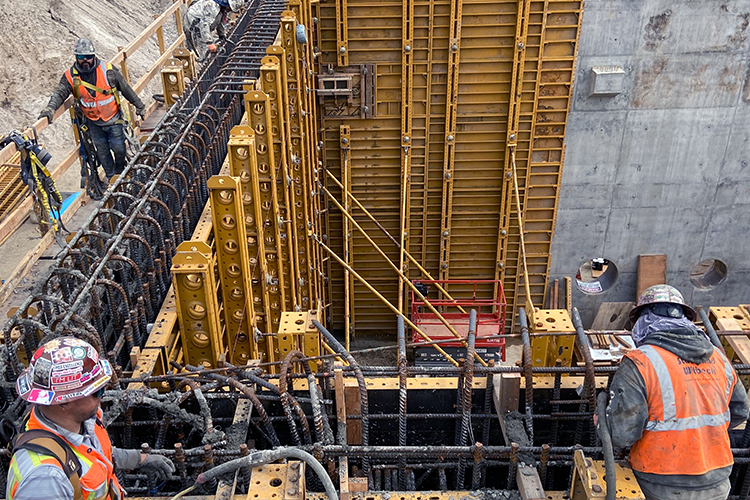
Early Certainty: How Collaborative Projects Avoid Cost Surprises
Cost certainty in projects comes from a handful of conversations that happen early, or fail to happen at all, and the difference shows up months later when two sides realize they were never aligned when it came to the cost and pricing.
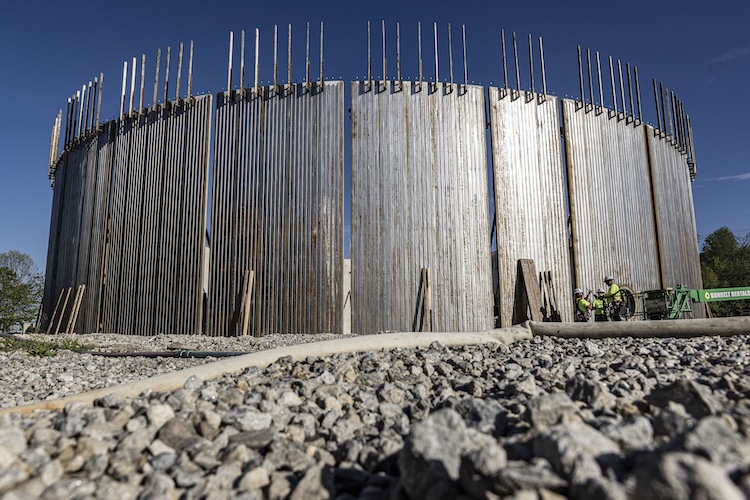
Why Early Collaboration Delivers Better Outcomes than Hard Bid
For decades, hard bid, often delivered through design‑bid‑build, has been the default for public water and wastewater projects—and for good reasons. It’s familiar. It’s defensible. It creates a clean paper trail that satisfies procurement requirements.
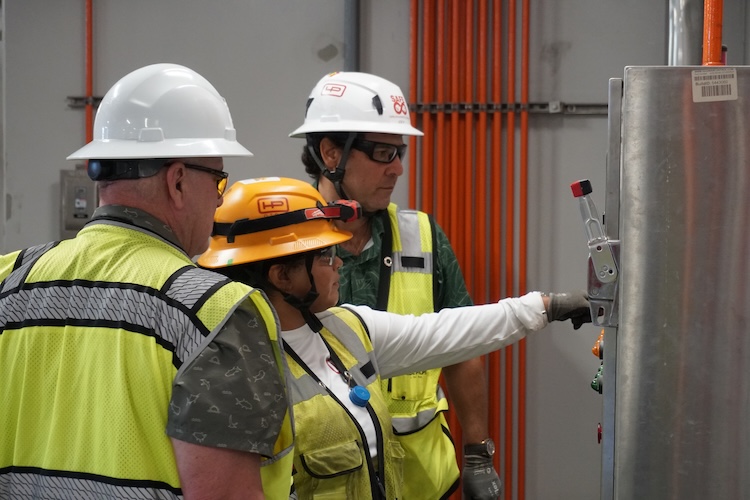
The Integration Manager in Successful Water and Wastewater Design-Build Delivery
As water and wastewater infrastructure projects become more schedule driven, owners are increasingly turning to collaborative delivery methods to better align design, construction, and operations.
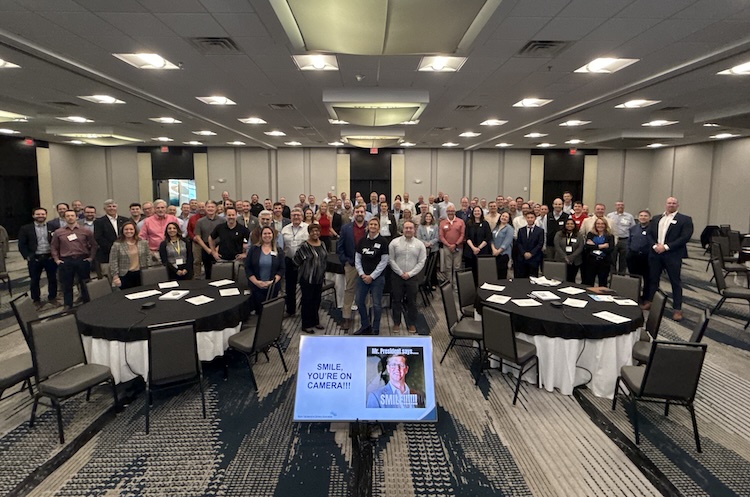
Say Yes to Growth as a WCDA New Professional
I attended my first WCDA event expecting to learn about collaborative delivery and better understand where I fit into the ecosystem. The room was full of smiling faces, great energy, and, as I quickly discovered, an incredible depth of experience.