Blog
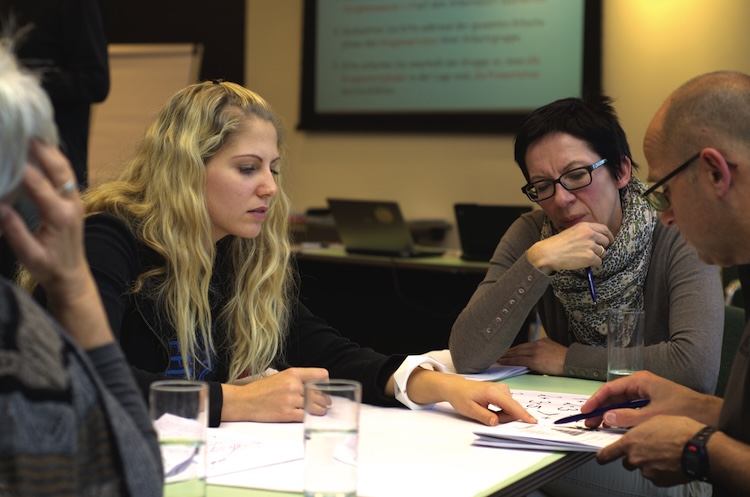
Communication: The Foundation of Collaborative Delivery Success
Collaborative delivery methods—such as design-build, progressive design-build, and construction management at-risk—are transforming how water and wastewater projects are delivered. While each model differs in structure, they all rely on one fundamental principle: clear, consistent, and inclusive communication among all project participants.
Shaping the Future of CMAR: Positive Insights from the WCDA Contract Survey
Collaborative delivery continues to gain momentum throughout the water sector, which comes with a growing demand for clear, consistent, easy-to-use contract documents. Recognizing this need, the Water Collaborative Delivery Association launched a major initiative to generate a comprehensive construction management at-risk contract template for water and wastewater utilities.
When Small Communities Take On Big Infrastructure
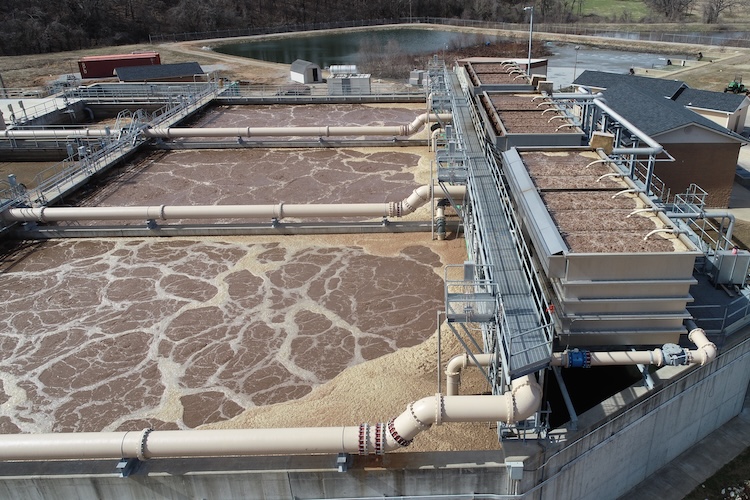
In many small towns across America, critical infrastructure projects can carry price tags that rival those in much larger cities. It’s not uncommon for a community of only a few thousand residents to face the need for a multi-million-dollar water or wastewater infrastructure upgrade.
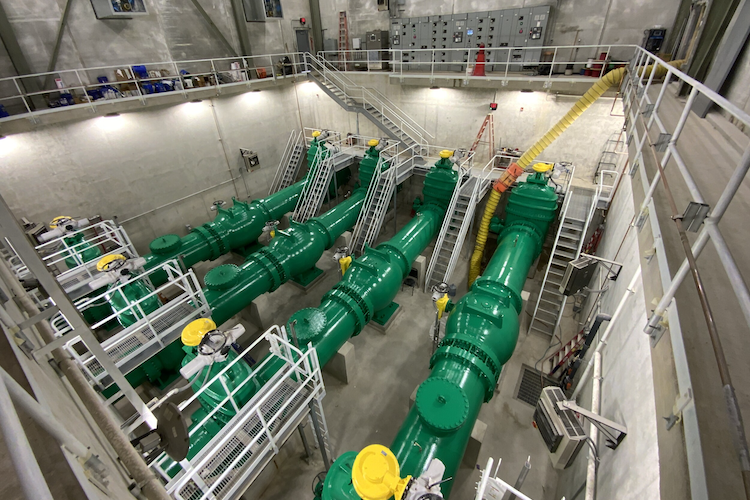
Reengineering Flow: How Collaborative Delivery Is Revolutionizing Valve and Automation Integration in Water Infrastructure
In a sector where timing, precision, and resilience are paramount, the water and wastewater industry is undergoing a quiet transformation. At the heart of this shift lies a reimagined project delivery model—collaborative delivery—that is driving efficiency and innovation in the integration of valves and automation systems

How Does Subcontractor Coordination Impact Collaborative Delivery Success?
Anyone who has worked on a water or wastewater project knows this: A strong schedule on paper means very little if the trades in the field are not aligned. In collaborative delivery, subcontractor coordination is not just a field responsibility; it is a core driver of project success.
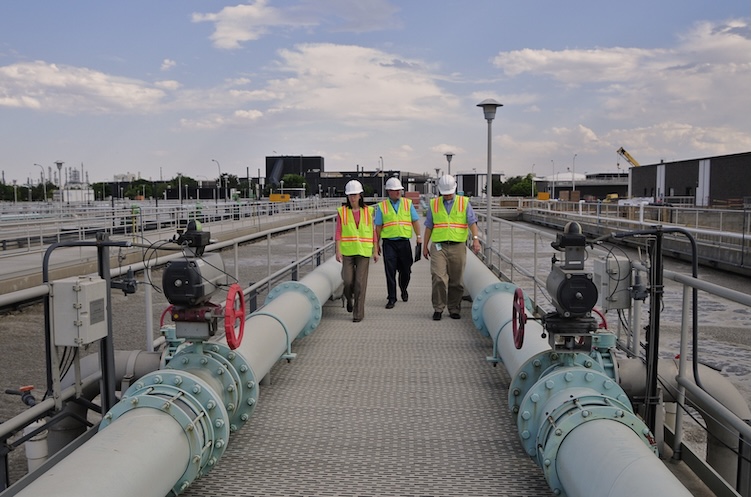
Bilingual Leadership: the Prime’s Advocacy Role in Design-Build
Have you ever seen that tourist who doesn’t speak the local language and responds by simply getting louder? It’s amusing in travel—and destructive in design-build, where the mismatch isn’t linguistic, it’s professional…
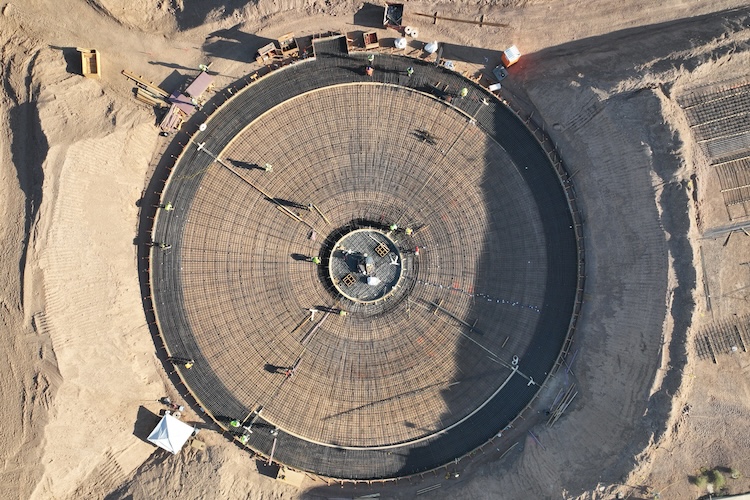
VDC and Virtual Building: Informing the Design and Construction of Water Reclamation Facilities
As water reclamation facilities across the nation age, owners face pressure to deliver improvements efficiently and responsibly. The combination of collaborative delivery and VDC offers a way to meet this moment with more certainty and lower risk of utility strikes…

Why Teams Are Using Collaborative Delivery for Greater Flexibility
Is your project delivery method helping your team adapt—or holding you back? Choosing the right delivery method sets the tone for how teams communicate, make decisions, manage risks, and respond as a project takes shape.
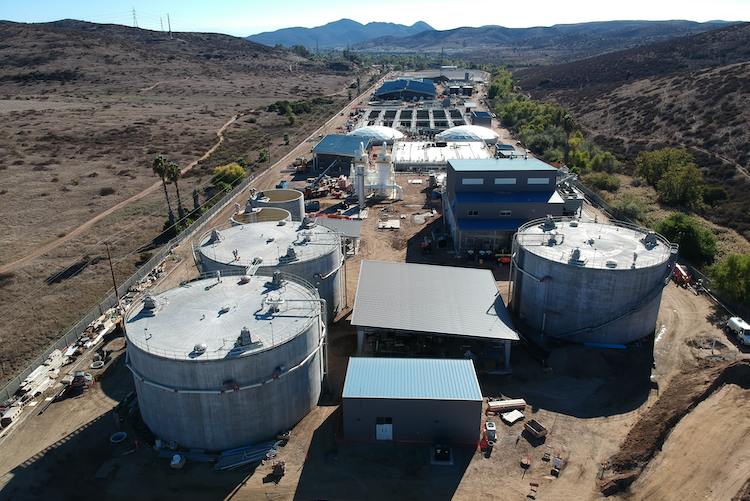
Closing the Estimator Gap in Progressive Design-Build – How Estimator Engagement in Late Design Development Improves Cost Certainty
Have you ever been surprised by unexpected cost increases late in a progressive design-build (PDB) water project? This blog explores the “estimator gap” that can occur after the 60% design milestone in such projects, after cost estimator involvement tapers off.
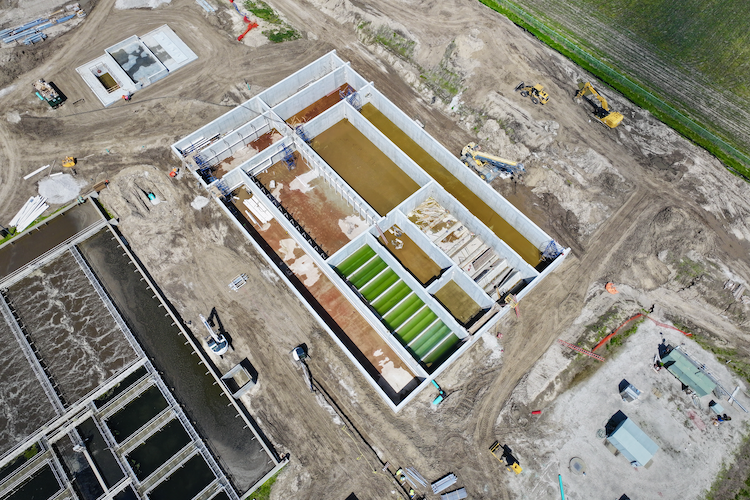
When Knowing What You Want Isn’t Enough: How Progressive Design-Build Enabled Early Validation and Faster Delivery
Risk is an inherent part of wastewater projects. What changes from one delivery model to another is not whether risk exists, but when key decisions are made and who is involved in making them.