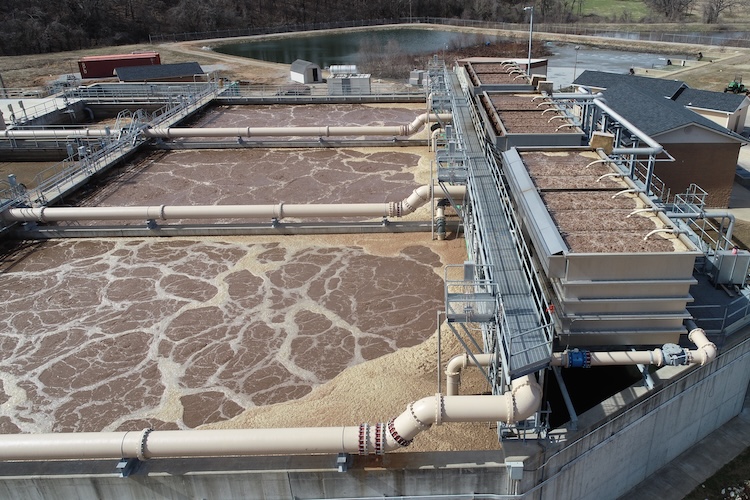
In many small towns across America, critical infrastructure projects can carry price tags that rival those in much larger cities. It’s not uncommon for a community of only a few thousand residents to face the need for a multi-million-dollar water or wastewater infrastructure upgrade. For small towns, undertaking a multi-million-dollar project can feel daunting at times. Yet these investments are essential to ensure communities have the reliable infrastructure needed to support public health, growth, and long-term sustainability.
Even with modest populations, small communities need to operate infrastructure systems that meet the same regulatory standards and service expectations as larger cities. Take Northwest Arkansas, for example. Many of the surrounding rural areas are experiencing unprecedented, renewed growth and an influx of industry. As housing costs continue to rise in the nearby metropolitan areas, more families are choosing to settle in surrounding towns where the cost of living is lower and quality of life remains high. Small town charm can be extremely appealing when property values 10 miles away have grown 150% in the last 10 years in some cases.
This shift brings opportunity, but also pressure. Growing populations increase demand for water, wastewater, transportation, and other public systems that were designed decades ago for a much smaller population. Strategic infrastructure investment allows these communities to accommodate growth while protecting public health and maintaining the qualities that make smaller towns attractive places to live in the first place.
For many smaller municipalities, the challenge is not a lack of capable leadership or the lack of commitment to their community. In fact, local officials and public works staff often manage a wide range of responsibilities. The mayor likely has a full-time job, runs a family farm, teaches piano, coaches youth sports, and attends every school board meeting in addition to their political duties. The reality is that unexpected or accelerated growth trends, for better or for worse, are what many communities are experiencing in small pockets across America, and that growth can quickly expand the scale and complexity of the projects they must deliver. The truth of the matter is that until these communities grow to a certain size, additional staff with the ability to focus on a single role is simply not in the cards and they need help meeting their community’s needs. Growth creates momentum, and the last thing a community wants to do is to halt that momentum.
So where do these small-town leaders turn? Even the most highly capable local teams can find that the projects necessary to accommodate the level of growth they’re experiencing require additional technical support or, in some cases, a completely different delivery method than they’re used to. Funding packages may involve a combination of grants, state or federal loans, the sale of bonds, and private investment, and each funding source likely has its own compliance and reporting obligations. Environmental regulations, permitting processes, and procurement requirements add additional complexity and only get more stringent as the project size grows. Small-town owners often find themselves looking for collaborative partners while lacking the resources to find them. This is where we, as industry experts, need to step in.
As infrastructure projects grow in scale, many small communities are choosing delivery models that expand their technical bench while keeping local leadership firmly in control. Construction management at-risk (CMAR) and design–build (DB) both allow owners to bring construction and engineering expertise into the process earlier, creating a more collaborative environment that can put a positive spin on a daunting situation.
Small communities are often navigating projects of this scale for the first time, and that’s where construction managers, engineers, and owner advisors can be valuable partners. Beyond design or construction expertise, industry professionals have an opportunity to help local leaders become familiar with the different delivery options available and what those approaches look like in practice. A simple conversation about how collaborative models work, how responsibilities are shared, how risks are managed, and how teams communicate, can go a long way in helping communities feel more confident about the path forward. When those discussions happen early and in the spirit of partnership, they give local leaders the information they need to make decisions that fit their community.
Large infrastructure projects can feel overwhelming for smaller communities, but their long-term value is undeniable. When towns invest in essential systems such as water and wastewater infrastructure, they are investing in public health, environmental stewardship, and the ability to support current and future growth. In these small pockets of America, many communities are stuck trying to navigate these opportunities as population patterns shift and new development follows.
Collaborative delivery approaches can help communities manage this in some cases and, when local leaders and industry professionals work together from the outset, small communities can tackle big projects with major success.